


From medieval frames and hand-worked doors to contemporary oak extensions, timber carries the marks of how a house was made, adapted and lived in. We look more closely at one of the oldest materials still shaping the homes we build and inhabit today.
Unlike polished stone or freshly painted plaster, wood rarely looks at its best on the day it is installed. It gathers marks, softens in colour and develops a richness that only comes with time. Centuries-old oak beams carry the evidence of generations before us, while contemporary joinery slowly acquires the same quiet confidence through everyday use.
Across the Chilterns and the surrounding counties, timber has shaped the way homes are built for hundreds of years. From medieval frames and timbered cottages to carefully crafted oak extensions, it remains both structural and decorative, practical and beautiful in equal measure.
For those looking closely, the quality of timber often reveals itself not in grand gestures, but in the details: the subtle curve of a hand-finished beam, a beautifully proportioned door or the shadow cast by a cupboard as afternoon light moves across a room.
These are the elements that give a house warmth and authenticity without demanding attention. Their effect is often felt before it is consciously noticed.
The most enduring details are often the quietest.

A hand-shaped wooden peg secures the original iron latch
Older timber tells stories in ways that few modern materials can. Saw marks remain visible centuries after the tree was felled. Peg holes reveal how a frame was assembled. Iron hinges, handmade latches and small adaptations record the ways in which a house has continued to change around the people living in it.
No two pieces are quite alike. Together, they create interiors with a rhythm and irregularity that is almost impossible to reproduce.
MANSON
A name carved into an oak beam centuries ago

Occasionally, the marks are more personal: initials cut into the grain, the outline of a long-forgotten fitting or a name scratched into the timber by somebody who almost certainly never imagined it would still be read hundreds of years later.

Oak, plaster and hand-worked surfaces gathered over generations
In an old house, timber rarely exists in isolation. It sits beside lime plaster, worn floorboards, old ironwork and furniture that has acquired a patina of its own.
Part of its appeal comes from contrast: dark structural oak against pale walls, polished boards beside rougher beams, or the measured geometry of panelling set against the irregularity of a historic frame.
Yet timber is by no means confined to historic buildings.
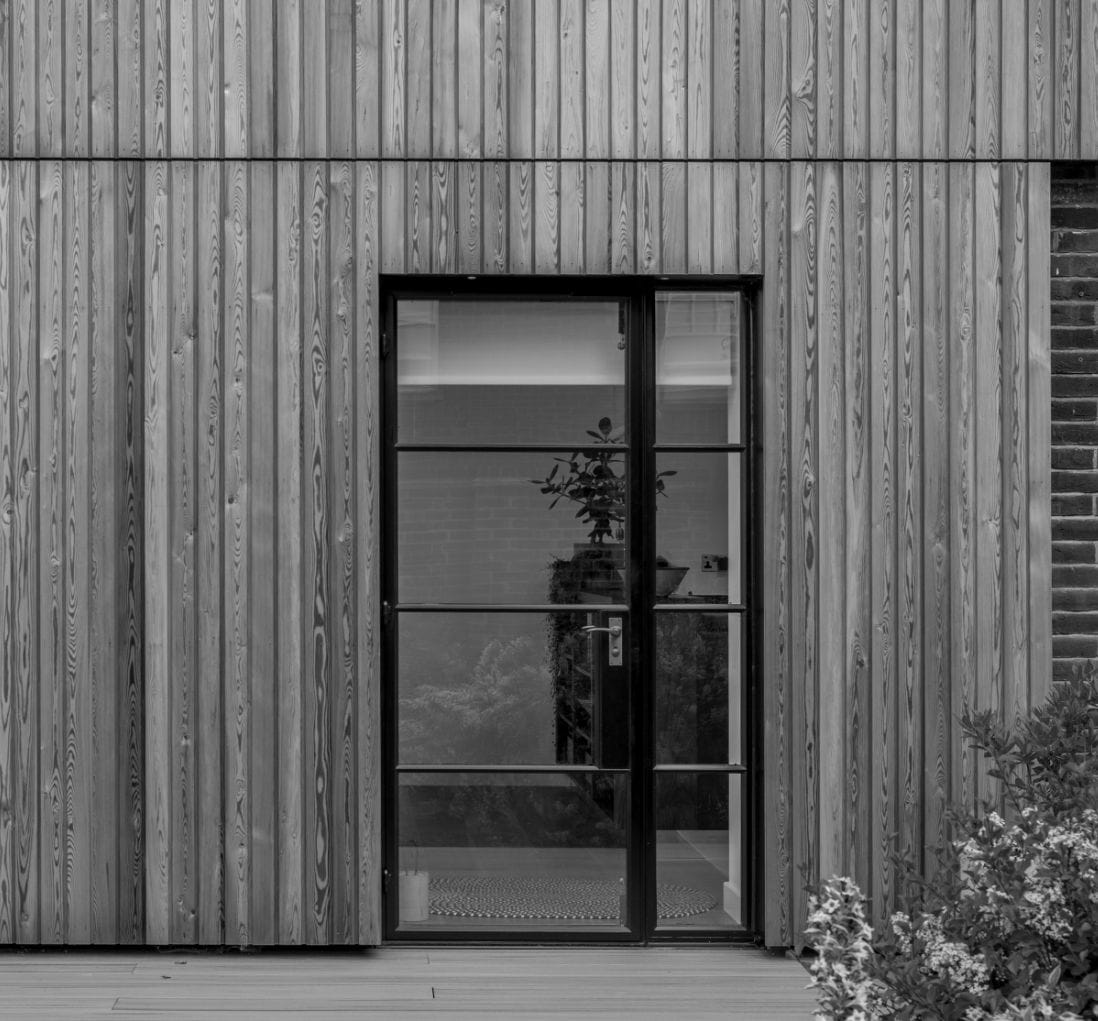
Today’s architects and craftspeople continue to use oak for extensions, garden rooms and contemporary homes, celebrating its strength, texture and natural warmth in entirely different ways. Large glazed openings framed by exposed posts create spaces that feel connected to the landscape beyond.

A seventeenth-century cottage and a twenty-first-century oak-framed extension may share little in appearance, but both rely on the same material to create atmosphere.
Timber softens light, adds texture and introduces an unmistakable sense of craftsmanship that manufactured surfaces rarely achieve. It can carry the weight of a roof, frame a distant view or simply bring warmth to the corner of a room.

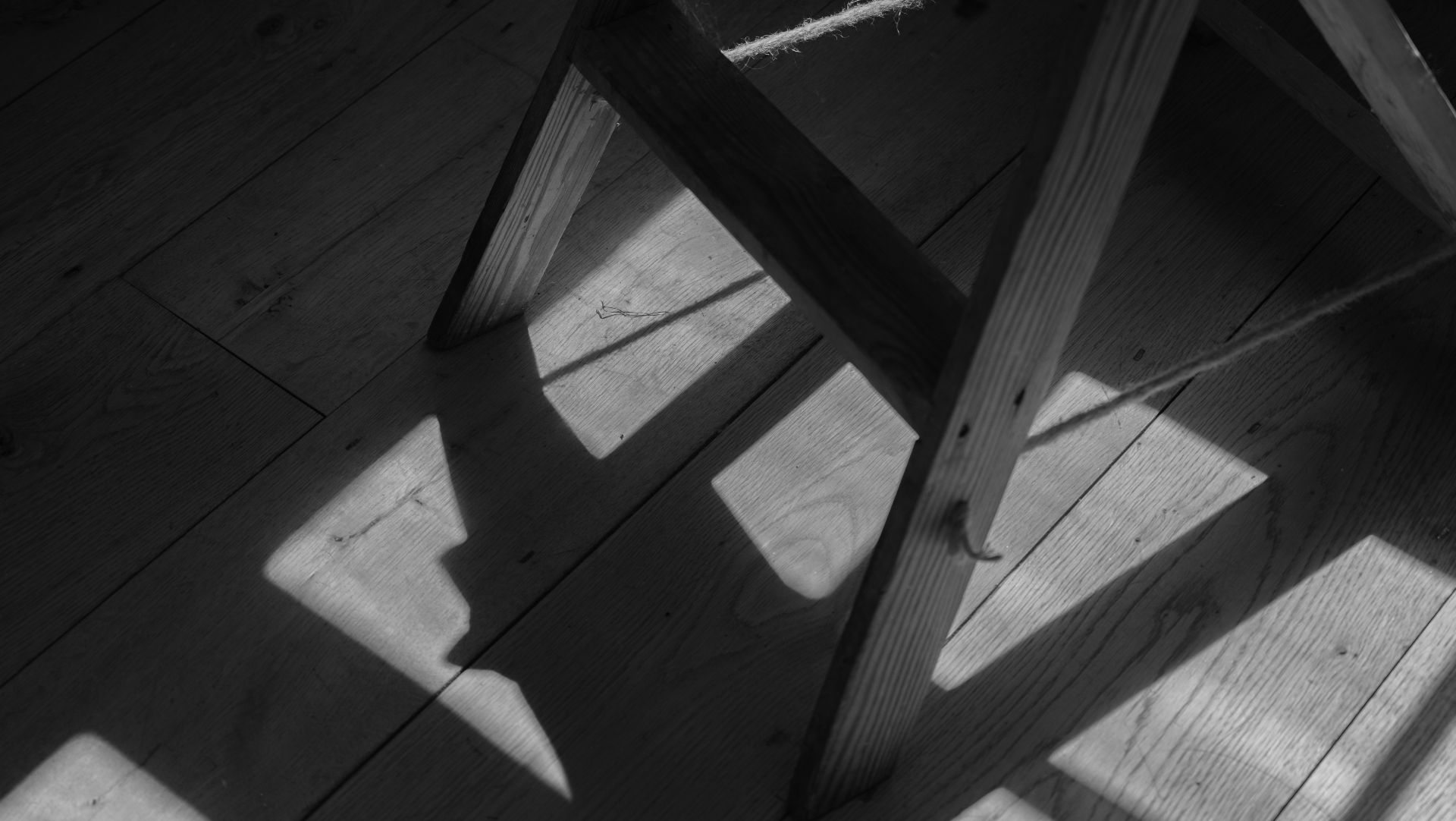
Morning light across painted joinery and old oak flooring
Good joinery need not announce itself. Its success lies in proportion, material and the precision with which it belongs to a room.
A cupboard built into an awkward corner or a run of cabinetry aligned carefully with the architecture can shape how a space feels without becoming its principal feature.

Perhaps that is one of timber’s greatest qualities. It asks to be touched rather than simply admired.
In homes across our region, these details are often easy to overlook: a handrail polished by decades of use, a cupboard fitted neatly beneath a sloping ceiling or a beam that has quietly carried the weight of a roof for hundreds of years.
Individually, they may seem ordinary. Together, they create houses with depth, character and a lasting sense of place.

Perhaps that is why timber continues to resonate, regardless of architectural style or age. It belongs as naturally within the irregular frame of a medieval cottage as it does in the clean geometry of a contemporary extension.
Unlike many materials, it does not conceal the passing of time; it records it. Every tool mark, softened edge and gradual change in colour becomes part of the story of the house itself.
Rooms may be altered, fashions reconsidered and buildings adapted to meet the needs of another generation. Yet the timber remains: quietly holding the structure together, bearing the evidence of those who came before and waiting to gather the marks of those who come next.
It does not chase trends. It simply grows more beautiful with time.
DETAIL 01 · IN THE FRAME