


We tend to look through windows rather than at them, yet few elements of a house have more influence over how a room feels. They bring in light, frame what lies beyond and, often without us noticing, determine where we choose to sit.
Perhaps that is because a window does something rather more interesting than simply admit daylight. It allows us to be inside while remaining connected to what is outside.
A garden, a tree, the changing weather or a distant piece of landscape becomes part of the room. Sometimes all we need is a glimpse.

A small opening brings the outside into an otherwise solid Georgian wall
In older buildings, that relationship can feel particularly tangible. Windows sit deep within walls, their reveals exposing the thickness of the structure around them. The separation between shelter and landscape is unmistakable.
Their size and position may have been determined by construction, climate or necessity, but the effect is often unexpectedly beautiful. A relatively modest opening can make whatever appears within it feel remarkably significant.

The depth of the reveal makes the wall itself part of the view


Hand-painted vitreous quarries bearing Latin inscriptions, narrative motifs and the date 1889
Of course, we do sometimes look at the window itself. Old glass catches light imperfectly. Ironwork interrupts the view. Shutters, catches and frames give an opening a physical presence that is often deliberately reduced in contemporary architecture.
These details remind us that a window can be both something to look at and something to look through.
ROOM WITH A VIEW

Seen from inside, ironwork becomes part of the landscape beyond. The view is interrupted, but perhaps made more memorable because of it.
We have always arranged ourselves around windows.
A desk is placed beneath one. A chair is turned towards another. Deep reveals become seats and sills collect the small things of everyday life. These decisions are rarely about the window itself. They are about wanting to be close to the light, the garden or simply whatever is happening beyond the glass.
Architecture may create the opening, but it is the way we inhabit the space around it that reveals its importance.

A window seat turns the act of looking out into a place of its own
There is something telling about a seat made specifically for a window. It acknowledges a simple pleasure: sometimes there is nowhere in the room we would rather be.
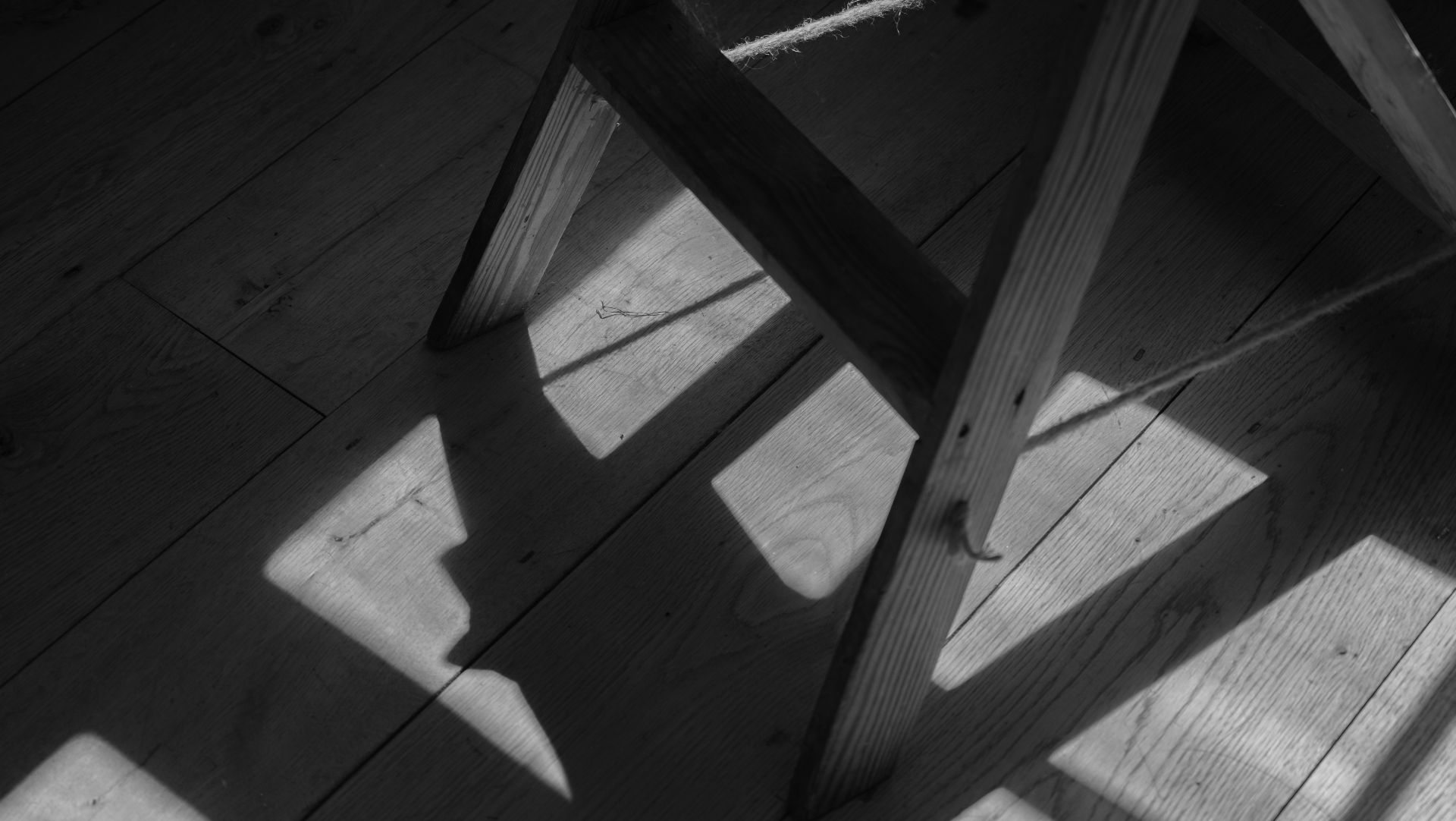
Even when we are not looking outside, the window continues to shape the room. Sunlight moves across floors and walls, marking the passing hours and changing familiar surfaces as it goes.


An unconventional opening offers a different way of looking out
A window also edits what we see. Its shape, height and position decide how much of the outside world is allowed into the room.
A small opening might isolate a tree or a patch of sky. A long, low window can turn the horizon into a landscape. What lies beyond may already be beautiful; the frame asks us to notice it.

Perhaps the clearest sign of our attachment to a view is the way we position ourselves towards it. Given the opportunity, we instinctively turn a chair, a table or even a bath towards the glass.
The window becomes less an architectural feature than part of the experience of the room.

Contemporary architecture has taken that desire for connection and pushed it further.
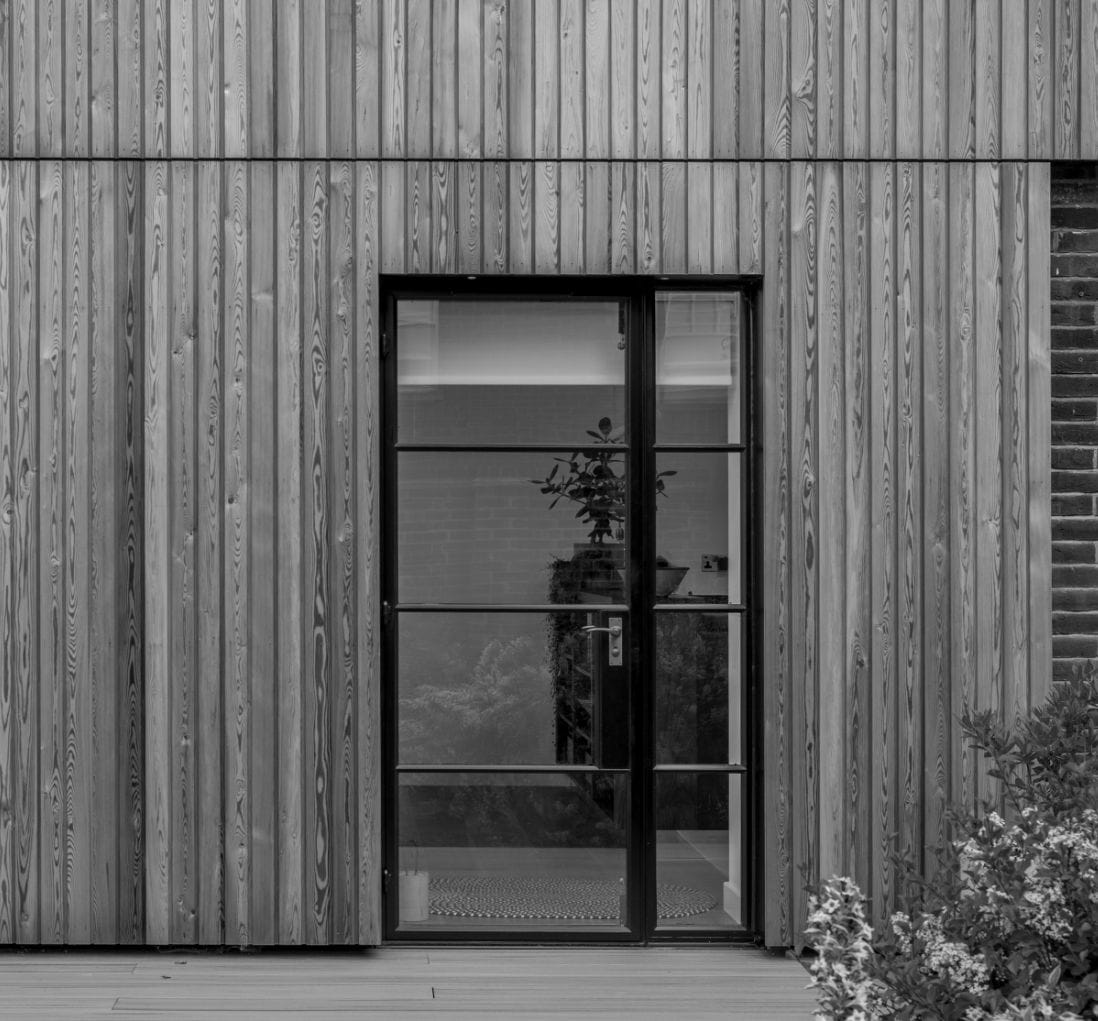
As glass has grown larger and frames more slender, the boundary between house and garden has become less emphatic. Where an old window makes us conscious of looking through a wall, modern glazing can make the wall itself seem to fall away.

The windows in these houses span very different periods and ideas about architecture. Some are small and deeply recessed; others occupy almost an entire wall. Some ask to be noticed, while the most contemporary examples seem designed to disappear.
Yet the instinct behind them is remarkably consistent. We want the protection of being inside without losing our connection to the world beyond: its light, its weather, its seasons and its changing view.
Perhaps that is what the best windows do. They make us notice what lies beyond them.
DETAIL 02 · LOOKING OUT